Best Skin Lightening Cream: How to Choose the Right Cream for Pigmentation, Dark Spots & Uneven Skin
Clear, even-looking and radiant skin is a common skincare goal, especially for people dealing with pigmentation, tanning, dark spots, acne marks and uneven skin tone. However, choosing the best skin lightening cream is not simply about picking a product that promises faster results. The ingredients, formulation, skin concerns and consistency of use all matter.
A good skin-brightening formula should focus on improving the appearance of uneven pigmentation while supporting the overall look and feel of the skin. Ingredients such as Vitamin C, Niacinamide, Alpha-Arbutin, Kojic Dipalmitate and Glutathione are commonly used in brightening-focused skincare formulations.
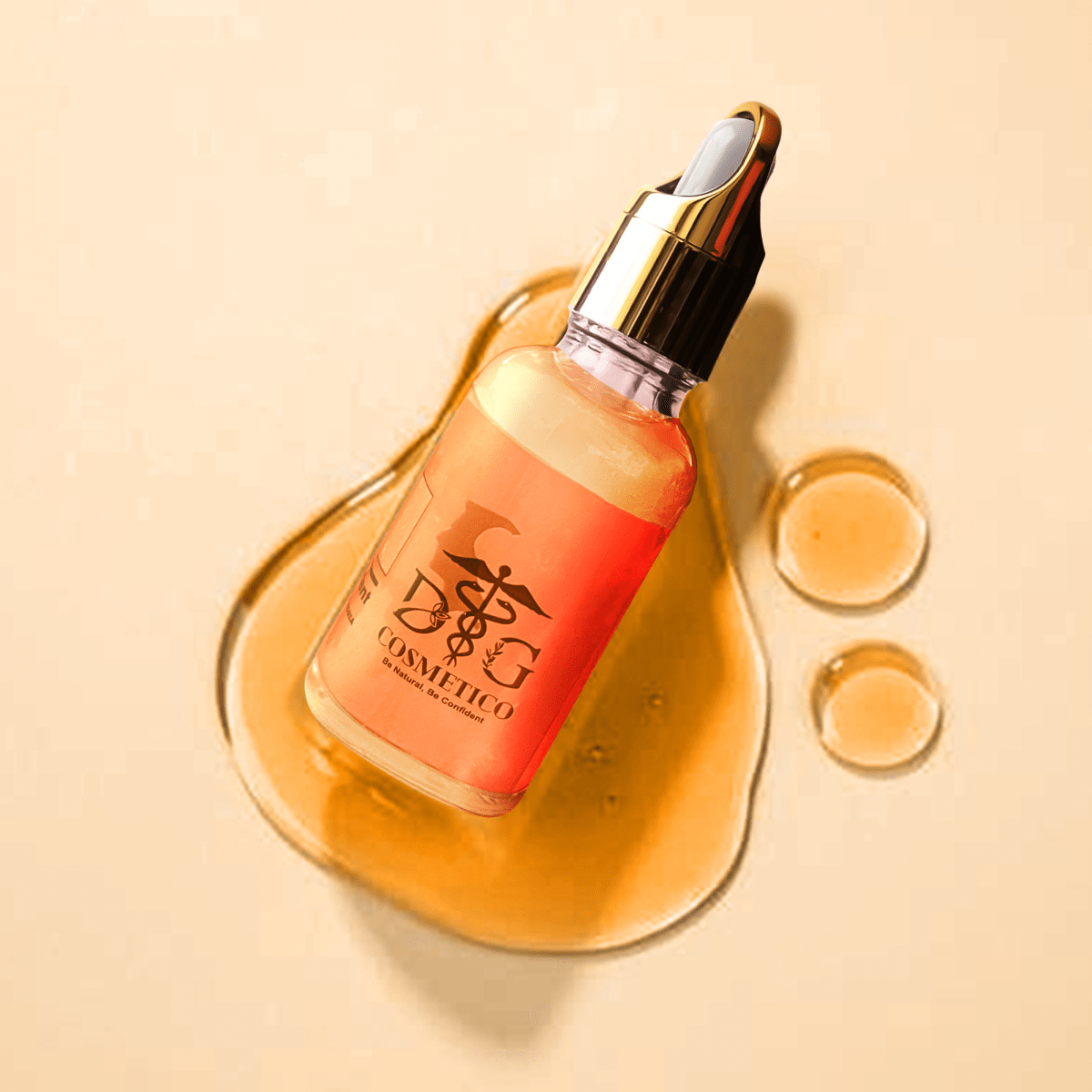
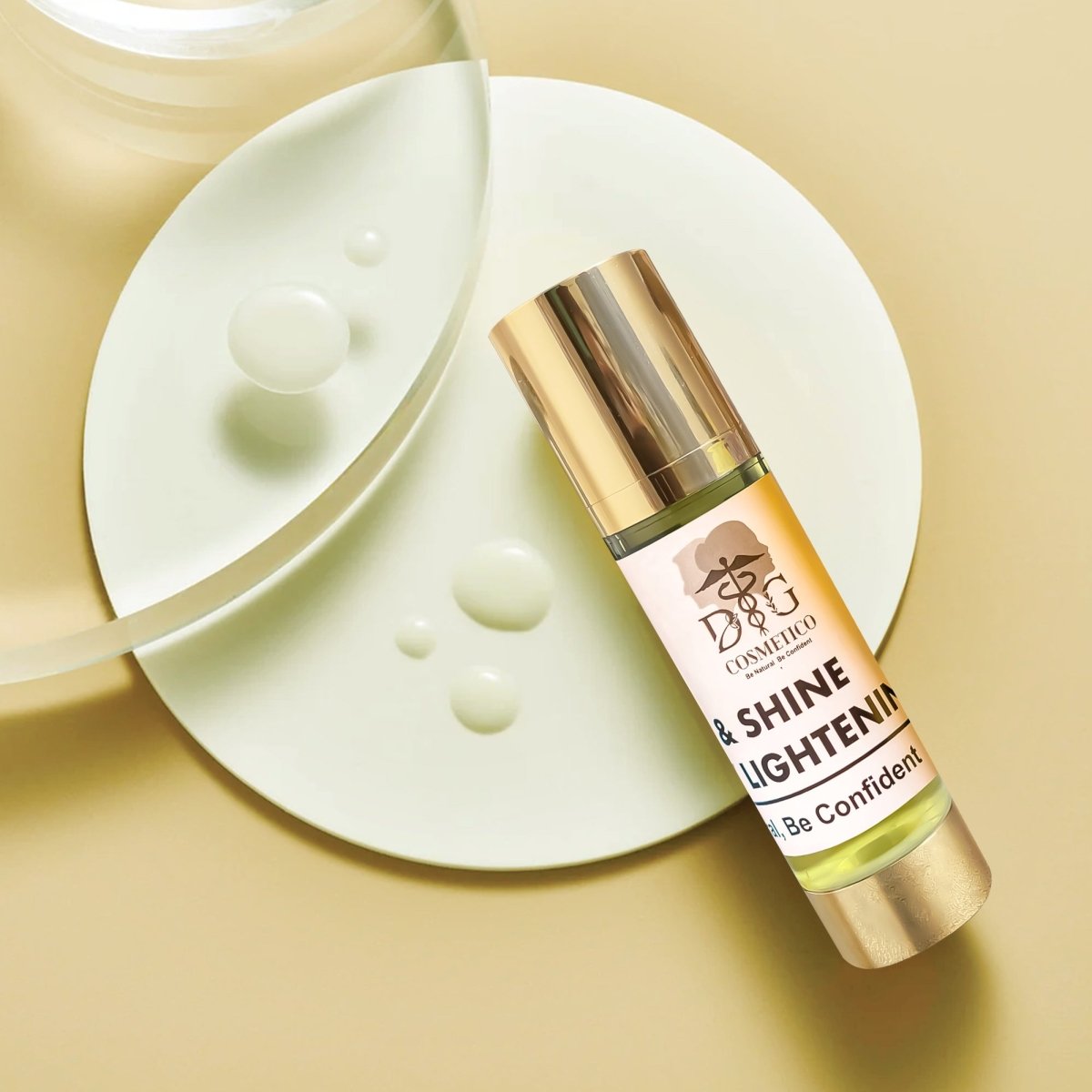
One product designed around these concerns is DGCOSMETICO Brite & Shine Skin Lightening Cream, which combines several brightening and antioxidant-focused ingredients in a night-use cream. According to the product information, its formula contains Glutathione, Vitamin C, Kojic Dipalmitate, Niacinamide, Alpha-Arbutin, Titanium Dioxide, Mulberry and Curcumin extracts, Aloe Vera and Lycopene.
What Is a Skin Lightening Cream?
A skin lightening or brightening cream is a topical skincare product designed to improve the appearance of uneven skin tone, dullness, dark spots and visible pigmentation.
The term "lightening" should not be interpreted as changing your natural skin colour permanently. A more useful way to understand these products is that they are intended to help improve the appearance of excess pigmentation and make the skin look more even and radiant.
The best skin lightening cream should therefore be selected according to your actual concern. Someone dealing with sun tanning may need a different routine from someone dealing with post-acne marks or persistent pigmentation.
What Causes Dark Spots and Uneven Skin Tone?
Before choosing a skin brightening product, it is important to understand why pigmentation develops.
Common causes include:
When the skin produces excess melanin in certain areas, those areas can appear darker than the surrounding skin. Over time, repeated exposure to sunlight and inflammation can make uneven pigmentation more noticeable.
This is why simply applying a brightening cream without addressing sun exposure may not provide the results you expect.
How to Choose the Best Skin Lightening Cream
There is no single cream that is automatically the best for everyone. Instead, look for a formulation that contains ingredients suited to your specific concern.
Here are some important ingredients to understand.
1. Vitamin C
Vitamin C is a popular skincare ingredient used in brightening routines. It is known for its antioxidant properties and is commonly included in products designed to improve the appearance of dull and uneven-looking skin.
It can be particularly useful in a broader skincare routine focused on maintaining a brighter-looking complexion.
2. Niacinamide
Niacinamide, also known as Vitamin B3, is widely used in skincare formulations. It can support the appearance of a more even skin tone and is also valued for its skin-barrier-supporting properties.
Because of its versatility, Niacinamide is frequently found in products targeting uneven tone, dullness and blemish-prone skin.
3. Alpha-Arbutin
Alpha-Arbutin is another ingredient commonly associated with pigmentation-focused skincare. It is used in formulations designed to improve the appearance of dark spots and uneven pigmentation.
When selecting a brightening product, ingredients such as Alpha-Arbutin can make the formula more relevant for people specifically concerned about visible pigmentation.
4. Kojic Dipalmitate
Kojic Dipalmitate is a derivative of Kojic Acid and is frequently used in cosmetic formulations focused on skin brightening and uneven pigmentation.
Its inclusion can be useful when developing a routine targeted towards the appearance of dark spots and an uneven complexion.
5. Glutathione
Glutathione is an antioxidant naturally found in the body and is also used in various cosmetic formulations.
In topical skincare, it is often included in brightening-oriented products. However, consumers should avoid expecting dramatic or instant changes to their natural skin colour from any topical product.
6. Aloe Vera
Aloe Vera is commonly used in skincare because of its soothing and hydrating properties. In a brightening cream, it can complement active ingredients by contributing to a more comfortable skincare experience.

Why Brite & Shine Skin Lightening Cream Is Different
DGCOSMETICO Brite & Shine Skin Lightening Cream is formulated around multiple ingredients associated with brightening and pigmentation-focused skincare.
The official product information lists:
-
Glutathione
-
Vitamin C
-
Kojic Dipalmitate
-
Niacinamide
-
Alpha-Arbutin
-
Titanium Dioxide
-
Mulberry Extract
-
Curcumin Extract
-
Aloe Vera Extract
-
Lycopene
The product is positioned for concerns including blemishes, pigmentation, tanning and uneven-looking skin. The brand also specifically mentions melasma and post-inflammatory hyperpigmentation among the concerns it targets.
This multi-ingredient approach can be useful for people who want to address several visible skin-tone concerns within one night-care product rather than relying on a single active ingredient.
Who Can Consider a Skin Lightening Cream?
A brightening-focused cream may be worth considering if your primary concerns include:
However, persistent or severe pigmentation should not automatically be treated as a cosmetic issue. Melasma and other pigmentation conditions can have different causes and may require professional evaluation.
How to Use Brite & Shine Skin Lightening Cream
According to the product's official directions, the cream should be used at night.
The recommended routine is:
-
Clean your face gently with a suitable face wash or soap.
-
Pat the skin dry with a clean towel.
-
Apply the cream at night.
-
Avoid direct contact with the eyes.
-
If the product enters your eyes, rinse thoroughly with water.
-
Keep the product away from children.
These directions are based on the current product information provided by DGCOSMETICO.
For any new skincare product, a patch test is a sensible precaution, particularly if your skin is sensitive or reactive.
Why Sunscreen Matters When Treating Pigmentation
One of the biggest mistakes people make while using a brightening product is ignoring daytime sun protection.
UV exposure can contribute to tanning and make pigmentation appear more noticeable. If you are trying to improve the appearance of dark spots but repeatedly expose your skin to strong sunlight without adequate protection, you are working against your skincare routine.
A practical routine can look like this:
Morning:
Cleanser → Moisturizer → Broad-spectrum sunscreen
Night:
Cleanser → Brite & Shine Skin Lightening Cream
Using sunscreen consistently is especially important when pigmentation and tanning are your primary concerns.
Best Skin Lightening Cream for Dark Spots: What Should You Look For?
If dark spots are your main concern, don't choose a product based only on the words "instant whitening" or "fairness."
Instead, evaluate:
Ingredient profile
Look for evidence-based brightening ingredients appropriate for your skin concern, such as Niacinamide, Vitamin C, Alpha-Arbutin and suitable forms of Kojic Acid.
Skin compatibility
A product can contain excellent ingredients and still be unsuitable for your individual skin. Irritation can make some pigmentation concerns look worse.
Usage instructions
Follow the manufacturer's recommended application frequency rather than assuming that applying more product will produce faster results.
Sun protection
A pigmentation-focused routine without proper daytime sun protection is incomplete.
Realistic expectations
Skincare should be viewed as a gradual process. Dark spots and uneven pigmentation generally do not disappear overnight.
Can the Best Skin Lightening Cream Remove Pigmentation Permanently?
No skincare cream can honestly guarantee permanent removal of every type of pigmentation.
Pigmentation can have multiple causes, including sun exposure, inflammation, hormonal factors and underlying skin conditions. Even when a spot becomes less visible, continued exposure to its original trigger can cause pigmentation to return.
The realistic goal should be to improve the appearance of uneven pigmentation and maintain a consistent skincare routine.
If pigmentation is persistent, rapidly changing, painful, spreading or difficult to identify, consulting a qualified dermatologist is more appropriate than continuously changing cosmetic products.
Skin Lightening vs Skin Brightening: What's the Difference?
These terms are often used interchangeably in skincare marketing, but they can create confusion.
Skin brightening generally refers to improving the appearance of dullness and uneven tone, helping the complexion look more radiant.
Skin lightening is commonly used to describe products targeting visible pigmentation, dark spots or tanning.
For healthy skincare, the focus should not be on changing your natural skin colour. The more sensible objective is to maintain healthy skin and reduce the appearance of unwanted pigmentation and uneven tone.
Common Mistakes to Avoid
Even the best skin lightening cream will not compensate for a poor skincare routine.
Avoid these common mistakes:
Using too much product
Applying a thick layer does not necessarily improve results. More product can increase the chance of irritation.
Mixing too many active ingredients
Using multiple strong actives simultaneously can irritate the skin and make your routine unnecessarily complicated.
Skipping sunscreen
This is one of the biggest mistakes when dealing with pigmentation and tanning.
Expecting overnight transformation
Pigmentation generally develops over time, and improving its appearance also takes consistency.
Using unverified whitening products
Avoid products with unclear ingredient lists or exaggerated promises. In particular, do not use products containing undeclared or inappropriate ingredients simply because they promise extremely rapid whitening.
Frequently Asked Questions
What is the best skin lightening cream for pigmentation?
The best option depends on your skin type and pigmentation concern. A brightening formula containing ingredients such as Niacinamide, Vitamin C, Alpha-Arbutin and Kojic Dipalmitate can be considered when targeting the appearance of uneven pigmentation. DGCOSMETICO Brite & Shine Skin Lightening Cream contains these ingredients along with Glutathione and other extracts.
Is Brite & Shine Skin Lightening Cream suitable for dark spots?
The product is specifically positioned for concerns including blemishes, pigmentation and post-inflammatory hyperpigmentation. Its listed ingredients include several brightening-focused actives.
Can I use Brite & Shine Skin Lightening Cream during the day?
The current product instructions recommend using the cream at night.
How long does a skin lightening cream take to show results?
Results vary depending on the type of pigmentation, skin condition, routine and consistency. Avoid judging a skincare product after only a few applications.
Can I use a brightening cream without sunscreen?
You can physically apply a brightening cream without sunscreen, but that is not a sensible pigmentation-care strategy. Daily sun protection should be part of a routine aimed at managing the appearance of tanning and dark spots.
Is skin lightening the same as changing your natural skin colour?
No. A responsible skincare routine should focus on improving uneven pigmentation, dullness and the appearance of dark spots rather than trying to alter someone's natural skin tone.
Final Thoughts
Choosing the best skin lightening cream should be based on ingredients, skin concerns, formulation, usage instructions and realistic expectations rather than exaggerated promises.
For people looking for a pigmentation-focused night-care product, DGCOSMETICO Brite & Shine Skin Lightening Cream offers a combination of Glutathione, Vitamin C, Kojic Dipalmitate, Niacinamide and Alpha-Arbutin, along with Aloe Vera, Lycopene and botanical extracts. The product is positioned by the brand for blemishes, tanning, pigmentation and uneven-looking skin.
The most effective approach is not simply finding a powerful cream. It is building a consistent routine around the right ingredients, protecting the skin from excessive UV exposure and giving the skin enough time to respond.
If your primary concern is dark spots, tanning or an uneven-looking complexion, a properly formulated brightening cream can be one part of a broader skincare routine focused on healthier, more even-looking skin.
by - Dr. Debanjoy Goswami (CEO & Founder DGCOSMETICO)